Discover how defining the right MVP scope, validating core ideas, and prioritizing essential features can help teams reduce complexity and build products with greater clarity.

Table of Content
Overview Introduction Understand What an MVP Really Means Define the Core Product Problem Identify Your Target Users Validate the Product Idea Map the Core User Journey Prioritize Essential Features Design the MVP Experience Plan the Technical Foundation Define MVP Success Metrics Test Before Development and Launch Common MVP Planning Mistakes to Avoid Conclusion Frequently Asked QuestionsOverview
Building a digital product is a significant investment of time, money, and technical resources. One of the biggest challenges is knowing what to build first. Without a clear product direction, teams can spend months developing features that users may not need or understand.
A Minimum Viable Product, commonly known as an MVP, provides a practical way to approach this challenge. Instead of attempting to build a complete product from the beginning, an MVP focuses on the smallest meaningful version of a solution that can deliver value, test assumptions, and generate useful feedback.
Successful MVP development starts long before writing code. Strong planning helps clarify the problem, understand the users, define essential functionality, reduce unnecessary complexity, and establish a foundation for future development.
Introduction
An MVP is not simply a smaller version of a finished product. It is a focused product experience designed to answer important questions about the idea, its users, and its value.
The planning stage determines what belongs inside the first release and what should wait until later. This distinction is important because adding too many features can make an MVP expensive, difficult to use, and slow to validate.
A thoughtful MVP plan brings product strategy, UX/UI design, business objectives, and technical development together before development begins. The result is greater clarity about what needs to be built, why it matters, and how success will be measured.
Understand What an MVP Really Means
The term MVP is often misunderstood as meaning a product with poor design, limited functionality, or unfinished experiences. In practice, an effective MVP should still provide a clear and useful experience for its intended users.
The goal is to identify the minimum set of capabilities required to solve the core problem and learn from real usage. Everything else can be evaluated for later development.
A useful MVP should therefore be:
- Focused: It addresses a clearly defined problem rather than attempting to solve everything at once.
- Useful: Users should receive meaningful value from the initial product.
- Testable: The product should make it possible to validate important assumptions.
- Scalable: The technical foundation should support sensible future improvements.
- Measurable: Clear metrics should show whether the product is achieving its intended goals.
Define the Core Product Problem
Before deciding what features to build, define the problem the product is intended to solve. A strong product begins with a clear understanding of the user's difficulty rather than a long list of desired functionality.

Ask questions such as: What problem exists today? Who experiences it? How are users currently solving it? What makes the existing solutions difficult, expensive, slow, or inconvenient?
The answers help establish the product's central value proposition. They also provide a reference point for deciding whether a proposed feature belongs in the MVP.
If a feature does not meaningfully support the core problem or the initial user journey, it may be better suited to a later phase.
Identify Your Target Users
An MVP becomes much easier to define when the target audience is specific. Trying to design for everyone usually results in a product that is less relevant to everyone.
Define the primary user group by considering their goals, behaviors, needs, technical familiarity, and context of use. Understand what motivates them and what prevents them from achieving their desired outcome.
User research can include interviews, surveys, competitor analysis, existing customer feedback, analytics, and observation of current workflows. The objective is to replace assumptions with evidence wherever possible.

A clearly defined primary user makes it easier to establish the MVP's scope, language, navigation, functionality, and overall experience.
Validate the Product Idea
Validation helps determine whether the product concept addresses a meaningful need before significant development resources are committed.
Validation does not always require a working application. Depending on the product, teams can use interviews, landing pages, clickable prototypes, surveys, concept demonstrations, waitlists, or manual versions of the intended service.
The goal is to test important assumptions. For example:
- Do users recognize the problem?
- Do they consider the proposed solution valuable?
- Would they change their current behavior to use it?
- Which part of the proposed experience matters most?
- What concerns or barriers could prevent adoption?
Early validation can reveal weaknesses in the idea while changes are still relatively inexpensive to make.
Map the Core User Journey
Once the problem and audience are clear, map the primary journey a user needs to complete. This helps separate essential interactions from secondary functionality.
For example, a digital product journey might include discovering the product, creating an account, completing onboarding, finding a key feature, completing an action, receiving confirmation, and returning later.
Focus on the shortest meaningful path between the user's problem and the value the product provides. Every screen and interaction should support that journey.
A user journey map can also expose unnecessary steps, confusing interactions, missing information, and opportunities to simplify the MVP before development starts.
Prioritize Essential Features
Feature prioritization is one of the most important parts of MVP planning. The objective is not to create the longest feature list, but to identify the functionality required to deliver and validate the core product value.

A useful approach is to divide potential features into groups such as essential, important, useful later, and unnecessary for the initial release.
- Core features: Required to solve the primary user problem.
- Supporting features: Improve the experience but may not be essential for the first release.
- Future features: Valuable ideas that can be evaluated after initial learning.
- Low-value features: Functionality that adds complexity without enough product value.
Prioritization should consider user value, business importance, technical effort, dependencies, risk, and the information each feature can provide after launch.
Design the MVP Experience
Design should begin before development so the team can understand how the product will work from the user's perspective.
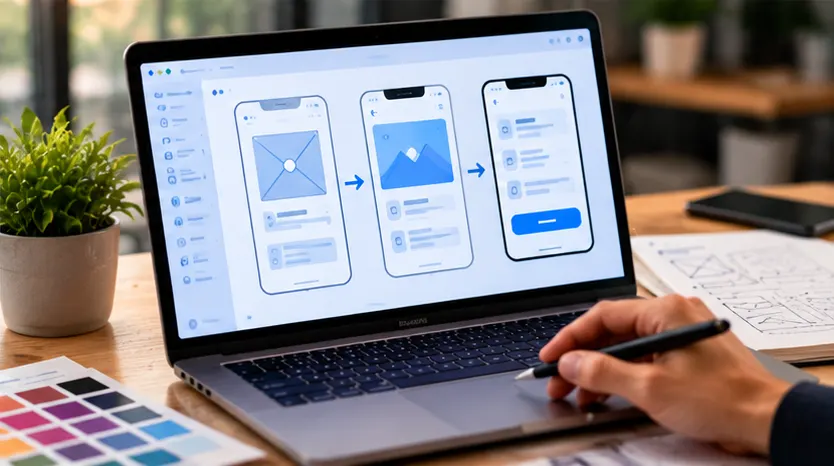
Start with information architecture, user flows, wireframes, and prototypes. These artifacts make it easier to evaluate navigation, content hierarchy, interaction patterns, and overall usability before implementation.
The MVP does not need every advanced visual feature, but it should provide a clear, coherent, and trustworthy experience. Users should understand what the product does, what they can do next, and how the system responds to their actions.
Prototype testing can reveal usability problems early and reduce unnecessary development changes later.
Plan the Technical Foundation
Technical planning should support the MVP's immediate requirements while leaving reasonable room for future growth. The goal is not to over-engineer the first version, but neither should the product be built on assumptions that create avoidable limitations.
Define the major technical components, including frontend requirements, backend architecture, database needs, APIs, authentication, hosting, integrations, analytics, and security considerations.
Choose technologies based on the actual product requirements, available development expertise, performance needs, expected scale, maintenance requirements, and long-term direction.
A well-planned technical foundation gives development teams a clear implementation path while keeping the initial product focused.
Define MVP Success Metrics
An MVP should be designed to generate learning, so success needs to be measurable. Define the metrics that will help determine whether users are finding value and whether the product is moving toward its business objectives.
Depending on the product, useful measurements may include:
- New user registrations
- Onboarding completion
- Activation rate
- Feature adoption
- User engagement
- Conversion rate
- Retention
- Task completion
- Customer feedback
- Revenue or other business outcomes
A small number of meaningful KPIs is usually more useful than tracking every available data point.
Test Before Development and Launch
Testing should not be treated as something that happens only after the product has been developed. Early testing can happen during the planning and design stages.
Clickable prototypes can be tested with representative users to identify navigation problems, unclear terminology, missing information, and friction in important tasks.
Technical teams can also identify implementation risks early by reviewing integrations, data requirements, performance expectations, security considerations, and third-party dependencies.
By testing important assumptions before launch, teams can enter development with a clearer understanding of what needs to be built and what should remain outside the initial scope.
Common MVP Planning Mistakes to Avoid
Even well-intentioned product teams can make planning decisions that increase complexity and reduce learning. Common mistakes include:
- Building too many features: A large scope makes the MVP slower and harder to validate.
- Starting development too early: Coding before defining the product problem can lead to unnecessary rework.
- Designing for everyone: A broad audience can make the initial product experience unclear.
- Ignoring user research: Product decisions based entirely on assumptions can miss real user needs.
- Copying competitors: Similar functionality does not necessarily address the same user problem.
- Skipping measurement: Without clear metrics, it becomes difficult to understand whether the MVP is working.
- Over-engineering: Building for hypothetical future requirements can consume resources that should be focused on current validation.
- Treating the MVP as the final product: An MVP should create a foundation for learning and continuous improvement.
Conclusion
A successful digital product MVP begins with clarity, not code. Before development starts, teams need to understand the problem, identify the right users, validate the product concept, map the core journey, prioritize essential features, and establish meaningful success metrics.
Strong UX/UI planning and a sensible technical foundation then turn those decisions into a focused product experience that can be tested and improved.
The purpose of an MVP is not simply to launch something quickly. It is to create the smallest meaningful product that can deliver value, generate real-world learning, and provide a strong foundation for future development.
By keeping the initial scope focused and the product strategy clear, teams can reduce unnecessary complexity and approach development with greater confidence and direction.
Frequently Asked Questions
- What is an MVP in digital product development?
An MVP is the smallest meaningful version of a digital product that delivers core value while allowing a team to validate important assumptions and learn from real users. - Why should an MVP be planned before development?
Planning helps define the problem, target users, essential features, user journeys, technical requirements, and success metrics before significant development resources are committed. - How many features should an MVP have?
There is no fixed number. The MVP should contain the minimum functionality required to solve the core user problem and validate the most important product assumptions. - Should an MVP have a complete UX/UI design?
The MVP should have a clear and usable experience. Wireframes, user flows, prototypes, and focused UI design can help validate the experience before development. - How do you validate an MVP idea?
Validation can involve user interviews, surveys, prototypes, landing pages, concept tests, existing customer feedback, or other methods that test whether the problem and proposed solution are meaningful to users. - What should be included in an MVP strategy?
An MVP strategy should define the product problem, target users, value proposition, core journey, essential features, design approach, technical foundation, validation plan, and success metrics. - Can an MVP be changed after launch?
Yes. An MVP is intended to support continuous learning. User feedback, analytics, business results, and technical insights can inform future improvements and new features. - What is the biggest mistake when planning an MVP?
One common mistake is allowing the initial scope to become too broad. A focused MVP makes it easier to build, test, measure, and learn from the first product release.
Insights | September, 2026
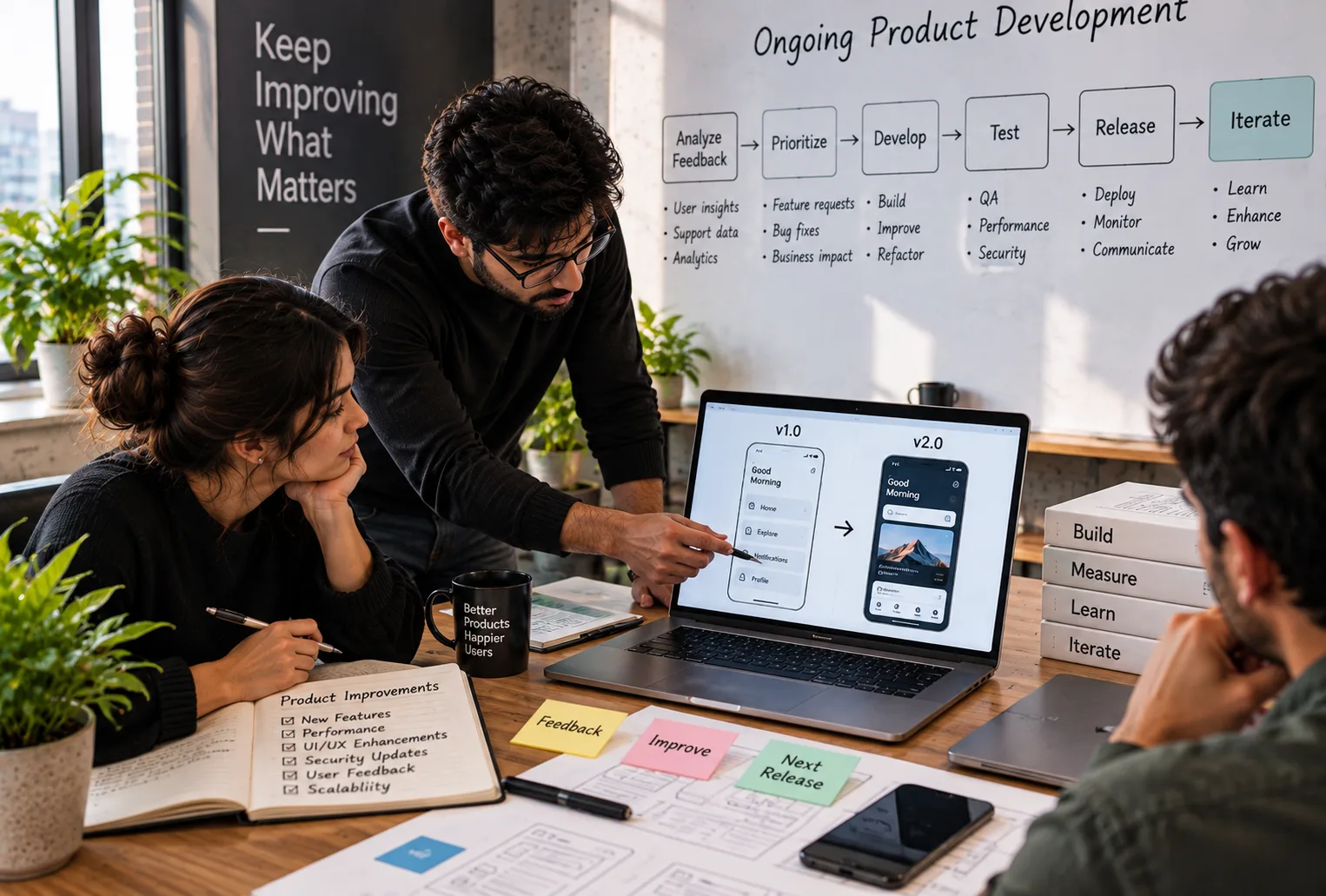
Why Ongoing Product Development Matters After Launch
Learn how continuous improvements, performance optimization, maintenance, and new features help digital products remain secure, useful, reliable, and ready to evolve.
Brandube
Insights | September, 2026
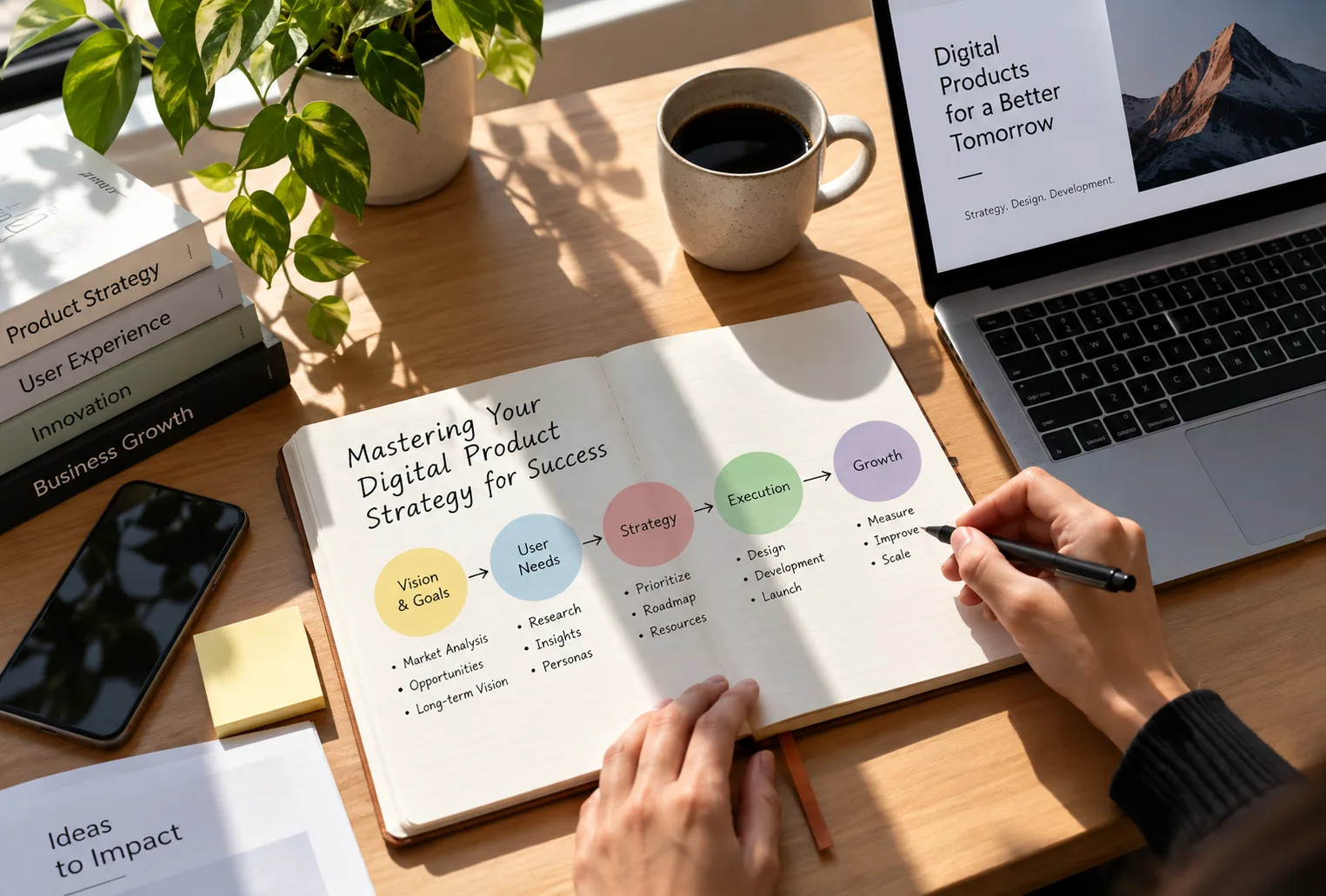
Mastering Your Digital Product Strategy for Success
Unlock long-term product success by learning how to build a strategic digital experience around your users, goals, and business needs.
Brandube
Insights | September, 2026
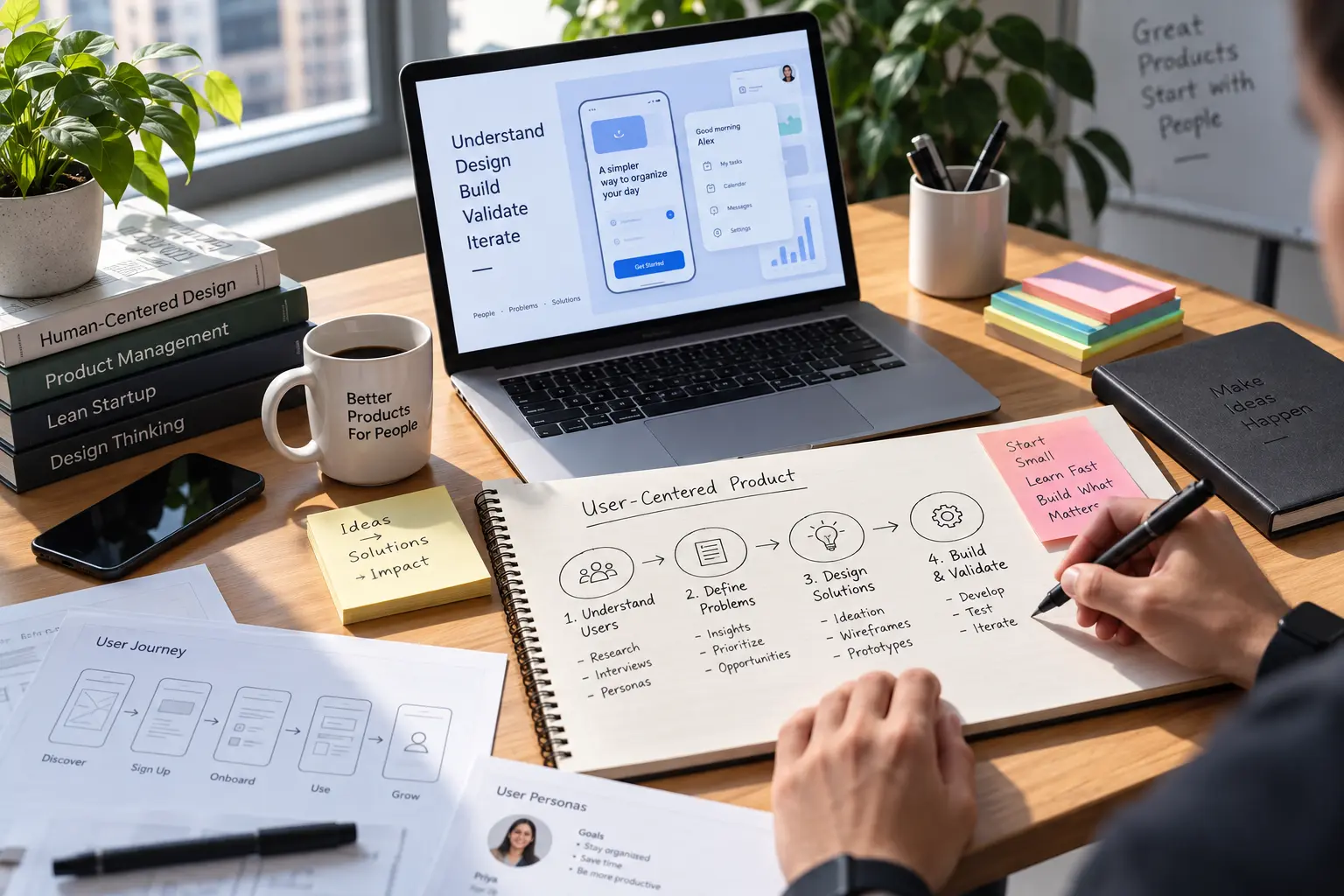
How to Build a User-Centered Digital Product from the Ground Up
Learn how to shape a digital product around real user needs, business objectives, and thoughtful experiences that create lasting value.